Aerogel Blanket Advantages in Insulation
In recent years, the insulation industry has undergone a transformation, prominently featuring innovations like aerogel. As a lightweight and highly effective insulator, aerogel has emerged as a game changer, particularly from leading China Aerogel Factories, which provide cutting-edge production and distribution. With global efforts toward energy efficiency and sustainability, the demand for aerogel insulation solutions has seen a sharp increase, especially in industries such as construction, aerospace, and automotive. This insulation material is not only crucial for reducing energy consumption but also for improving overall environmental footprints. In this article, we will explore the significance, applications, and benefits of aerogel produced by China Aerogel Manufacturers.
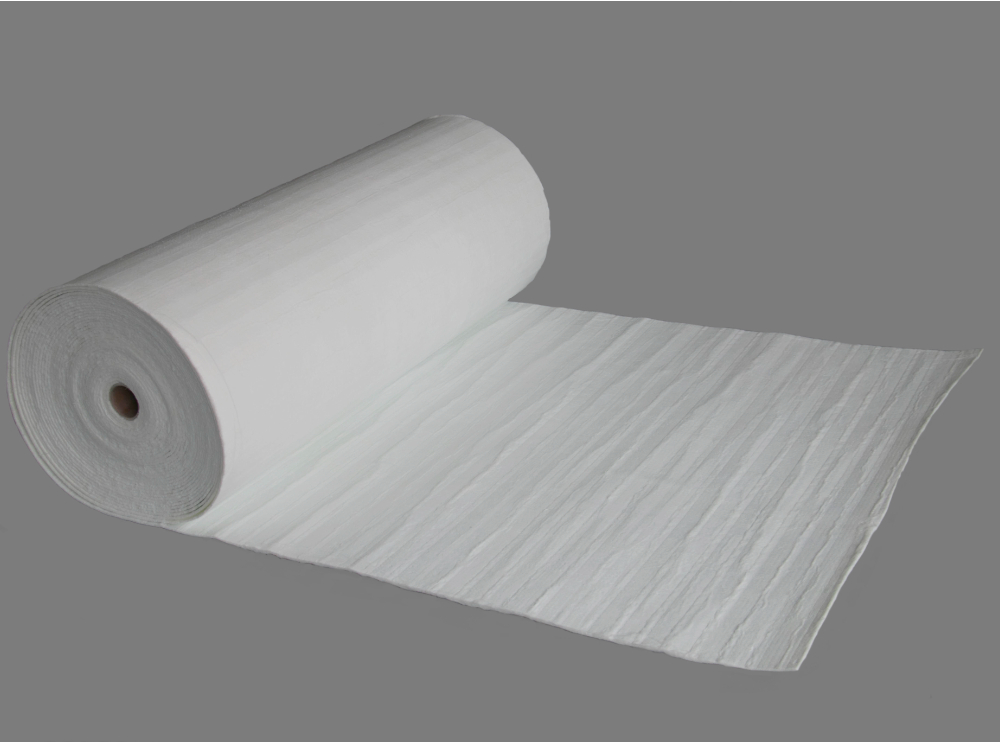
What is Aerogel?
Aerogel is defined as a synthetic porous ultralight material derived from a gel, in which the liquid component is replaced with gas. This process creates a solid with low density and high porosity. The term "aerogel" reflects its composition: "aero" for air and "gel" for the substance that maintains its structure. The unique properties of aerogel, including thermal resistance and low thermal conductivity (as low as 0.013 W/m·K), position it as one of the best insulators available today.
Industry Term Analysis
The insulation materials market has long relied on fiberglass and foam. Aerogel introduces a competitive advantage due to its superior thermal insulating properties. For example, when testing aerogel blankets against traditional foam insulation, aerogel's performance can be quantified: the measured thermal conductivity of the aerogel blanket is approximately 90% lower than that of the foam, indicating a substantial improvement in thermal insulation efficiency.
Application Scenarios for Aerogel
Aerogel materials find diverse applications across several industries, thanks to their exceptional properties. Key fields include:
Construction: Aerogel is used in building materials to enhance energy efficiency. For instance, aerogel-infused window glazing offers significantly better thermal performance compared to conventional glass.
Aerospace: The aerospace industry employs aerogels for thermal insulation on spacecraft. For example, the Mars Rover utilized aerogel for both its lightweight properties and its remarkable heat resistance.
Oil and Gas: Aerogel provides effective insulation for pipelines and storage tanks, ensuring temperature regulation in extreme environments.
By evaluating the weight advantages, aerogels can lead to up to a 75% reduction in insulation weight compared to traditional methods, making them ideal for industries that prioritize weight efficiency.
Advantages of Aerogel
The importance of aerogel cannot be overstated. The unique attributes of aerogel lead to various advantages:
Energy Efficiency: Aerogels can reduce energy consumption by up to 30% in buildings when integrated into insulation systems, translating to substantial cost savings.
Space-Saving Design: With thickness requirements significantly lower than traditional materials, aerogels allow for slender designs in applications where space is limited.
Versatility: From flexible aerogel blankets to rigid panels, the different forms of aerogel can cater to various manufacturing needs, making them invaluable assets in innovative construction and product designs.
These advantages make aerogels not just a novel material but a necessary one to meet modern energy standards and sustainability goals.


评论
发表评论